Geography

Geography at Streatham Wells develops curious, informed learners who understand places, people and the world they live in.

Geography

Overview

Our geography curriculum aims to create inquisitive geographers who explore, question and engage thoughtfully with the world around them. Children develop a strong understanding of the UK and the wider world, learning how physical and human processes shape places, environments and communities. Through geography, pupils learn to appreciate diversity, recognise change and consider how they can contribute positively to the world.

How we teach

Geography is taught through a carefully sequenced curriculum that begins with local environments and gradually expands to nationally and globally significant places and issues. Pupils learn to read and use maps purposefully, develop a rich geographical vocabulary and explore both physical and human geography.

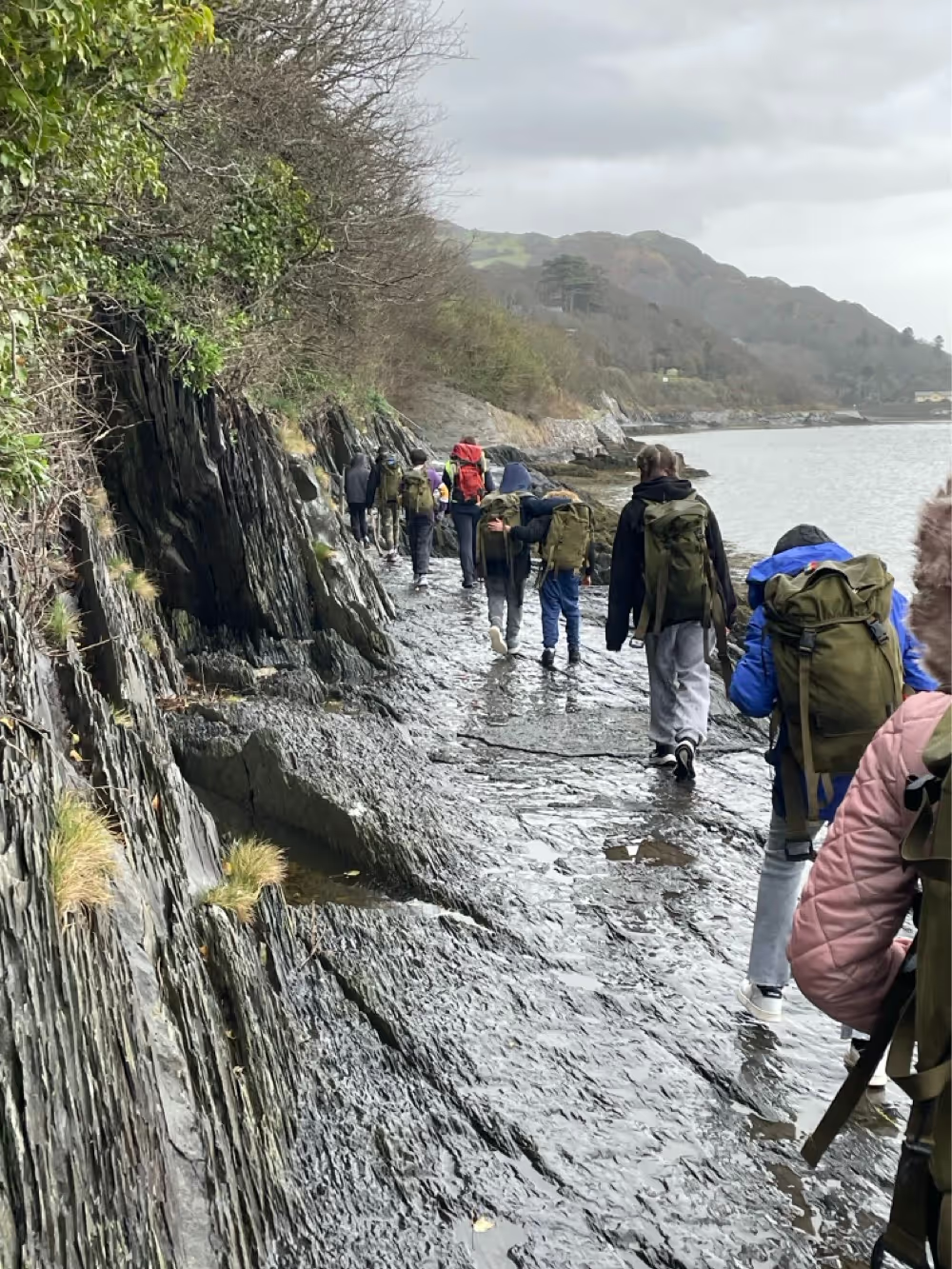
Fieldwork is a key part of geography teaching, alongside the use of modern technologies and a wide range of geographical sources, including maps, globes, diagrams, aerial photographs and digital tools. Pupils are taught to collect, analyse and communicate geographical information clearly and confidently.

Curriculum maps

Impact

Pupils develop strong geographical knowledge, enquiry skills and an understanding of how places and people are interconnected. They leave Streatham Wells able to interpret geographical information, explain patterns and processes, and think critically about environmental and social change.

How you can help at home

Using maps at home helps children develop their sense of place and direction. Talking about changes in the local environment, such as new buildings, seasonal changes or developments in the community, encourages children to think geographically about cause, impact and change.

Beyond the classroom

Geography learning is enriched through first-hand experiences and visits that deepen understanding of the world. Pupils celebrate cultural diversity through events such as International Day, sharing food, music and lived experiences from different cultures. Fieldwork opportunities include local studies, orienteering and residential trips, such as Year 5 camping experiences and a Year 6 visit to Snowdonia. Children also visit places of geographical interest including the River Thames and museums linked to natural and human geography.